MLS Final Tickets: Why Demand Peaks Long Before Matchday
MLS final tickets are not simply a last-minute purchase. By the time the finalists are known and the fixture dominates social media, much of the most desirable inventory may already be tied to season-ticket members, supporters’ groups, club allocation processes, hospitality packages, and early official sales windows. That reality matters because it changes the best approach for fans: waiting for excitement to peak is usually the wrong ticket strategy.
The strongest position is straightforward: fans who genuinely want to attend an MLS final should prepare before the matchup is confirmed, use official channels first, and treat resale listings as a controlled fallback rather than the main plan. The conventional advice to “wait until closer to kickoff for a deal” can work for some regular-season matches. It is far less dependable for a championship event, where demand is emotional, highly concentrated, and often amplified by limited availability.
An MLS final is not just another entry on the calendar. It is the culmination of a season, a rare opportunity for many supporters, and a major event for the host club and its city. That combination creates a ticket market driven less by ordinary consumer logic than by urgency. Fans are not merely choosing whether to watch a match; they are deciding whether to be present for a potential defining moment in their club’s history. When that feeling takes hold, the best seats disappear first and the safest purchasing options narrow quickly.
Why MLS Final Tickets Tighten So Early
Demand for MLS final tickets often begins before the final matchup is set. Supporters of teams with realistic postseason ambitions may monitor ticket information throughout the playoffs, while local fans of a potential host club understand that a home final could become an unusually difficult event to attend. The moment a final scenario becomes plausible, people start planning travel, checking membership benefits, discussing group purchases, and watching official club communications.
This early attention has practical consequences. Ticket inventory for a final is not always released as one simple public block. Clubs and league partners may have different allocation categories, and fans should expect that various groups can receive access through separate processes. Season-ticket members may have priority opportunities. Supporters’ groups may have established distribution methods. Sponsors, hospitality buyers, and other stakeholders can also affect what remains for the broader public.
That does not mean ordinary fans have no chance. It means they should abandon the assumption that a public on-sale date guarantees wide choice. Public availability can still exist, but the range of seating locations, price levels, and group sizes may already be constrained. A fan seeking one seat has a different challenge from a family needing four together. A supporter willing to sit anywhere has more options than someone committed to a particular end or section. The later a buyer enters the process, the more compromises become likely.
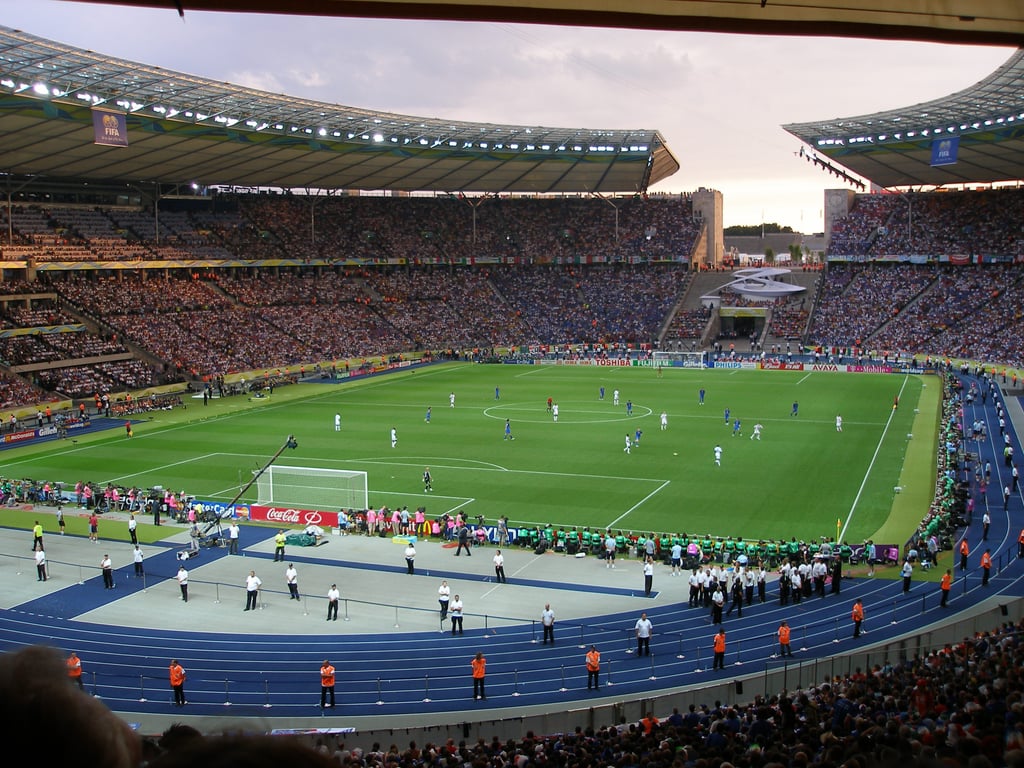
The key lesson is that availability is not the same as value. A listing may remain available, but it may be poorly located, separated from a preferred group, bundled with unwanted extras, or priced above what the buyer intended to spend. Saying that tickets are “still available” can conceal the more important question: are the tickets still suitable for the experience the fan wants?
The Host Advantage Is Real, but It Does Not Make Tickets Easy
For supporters of the host club, an MLS final at home creates an extraordinary advantage: no major travel burden, familiarity with the stadium, and the chance to be part of a crowd that can shape the atmosphere from the opening whistle. Yet it also creates the sharpest local competition for tickets. The people who attend regularly want to be there. Casual fans who do not normally follow every match may suddenly want to experience the occasion. Former supporters, corporate buyers, friends and family members, and neutral sports fans can all enter the market at once.
That is why local fans should not confuse proximity with access. Living near the stadium may remove flights and hotel costs, but it does not reserve a seat. In fact, local demand can make the final harder to navigate because every buyer assumes attending should be simple. The result is a rush after qualification, when many people begin searching at the exact moment the market is least forgiving.
For traveling supporters, the pressure is even greater. Ticket planning cannot be separated from travel planning. A buyer who secures a flight or hotel before confirming a legitimate ticket may create an expensive problem. Conversely, a buyer who waits to organize travel until after obtaining a seat may find that the total trip cost has climbed beyond reach. The sensible approach is to establish a realistic all-in budget early, understand refund and change policies before booking, and avoid treating the ticket price as the whole cost of attending.
Official Sales Should Be the Starting Point, Not an Afterthought
When demand rises, speed matters, but legitimacy matters more. The safest path to MLS final tickets is to follow official league, club, and stadium communications, then purchase through authorized ticketing channels. This is not merely cautious advice. It is a practical way to reduce the risk of invalid tickets, misleading seat descriptions, surprise fees, or sellers who cannot deliver what they advertised.
Fans should sign up for relevant club communications well before a final is imminent, especially if their team is in contention. They should also verify which official accounts and websites are being used rather than relying on copied links in social posts or messages. High-demand events attract confusion, and confusion is an opening for fraud. A convincing graphic, a familiar-looking username, or a claim of “urgent transfer” is not proof that a ticket is valid.
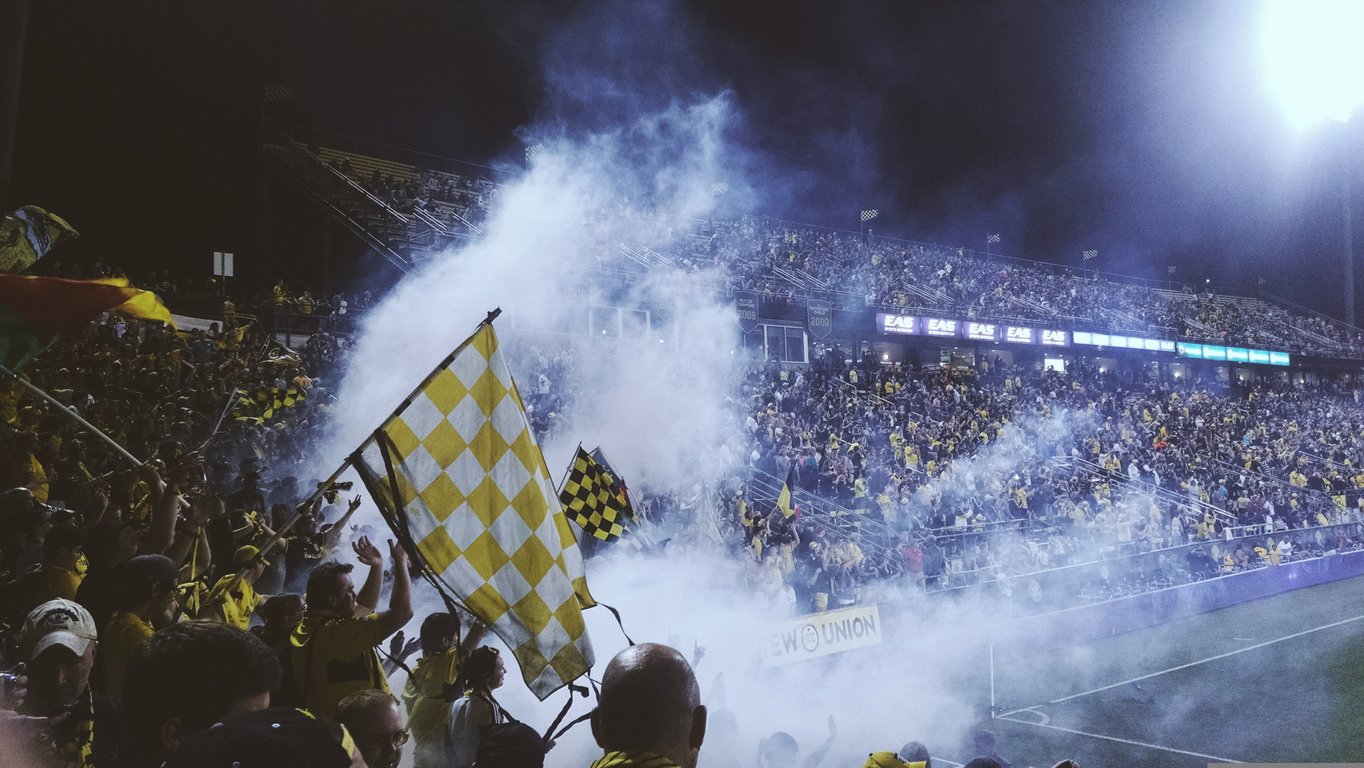
The urge to act quickly can make supporters careless. That is precisely when buyers should slow down enough to check the source, the delivery method, the total amount due, and the ticket terms. A ticket that looks cheaper at first can become more expensive after added charges. A seat shown in vague language may not be where the buyer believes it is. A seller who insists on payment methods with no meaningful buyer protection is not offering a bargain;
they are shifting risk onto the fan.
Official channels also provide the clearest information about accessibility seating, entry requirements, ticket transfer rules, mobile ticket procedures, and stadium policies. Those details are part of the purchase, not administrative clutter. A fan who reaches the stadium with an unusable transfer, an incorrect account setup, or an inaccessible seating arrangement has not solved the real problem by merely obtaining a ticket.
Resale Is a Tool, Not a Strategy
Resale markets are often presented as the inevitable answer when official inventory is limited. They can be useful, particularly for fans who need a specific section, arrive late to the process, or find that an official release has sold through. But resale should be treated carefully. It offers flexibility, not certainty, and it can encourage buyers to chase a perceived deal while overlooking risk and total cost.
One weak piece of advice is to wait until the final hours because sellers will supposedly panic and drop prices. Sometimes a seller with an unused ticket may lower an asking price. That possibility is not a reliable plan for an MLS final. Demand can remain strong through kickoff, especially when the host club has a deeply invested supporter base or when a visiting team’s fans travel in significant numbers. Even when prices soften in isolated listings, the buyer may be choosing from less attractive seats or dealing with limited delivery time.
Last-minute purchasing creates another problem: it reduces the margin for error. If a ticket transfer fails, a seller disappears, a payment dispute emerges, or a mobile account does not update correctly, there may be little time to resolve it. Buying earlier through a verified platform does not eliminate every issue, but it gives the fan a better chance to seek help before gates open.
A disciplined buyer should set a maximum all-in price before browsing resale listings. That cap should include every displayed fee and any practical extra expense created by the purchase. Without a limit, the emotional stakes of a final can turn a reasonable decision into an impulsive one. There is no shame in deciding that the market has exceeded a sensible budget. The mistake is letting the fear of missing out dictate a purchase that will cause financial regret after the trophy celebration ends.
Season-Ticket Membership Is Valuable, but It Is Not a Universal Answer
Season-ticket membership can provide meaningful benefits, including priority access opportunities for major matches, depending on the club’s policies and the event’s allocation structure. For fans who attend consistently, that can be a compelling part of the overall value. It also reflects a fair principle: people who support a club throughout the season should not be treated exactly like buyers who appear only when the final arrives.
However, purchasing a season-ticket package solely because of a possible MLS final can be a poor decision if the buyer has no genuine intention of attending regular matches. Availability, priority terms, and final access procedures can vary, and no fan should assume that membership automatically guarantees a championship ticket. Read the terms, ask the club directly when information is available, and evaluate the package on its full-season merits.
The better argument for membership is not “buy this and you will definitely get a final seat.” It is that committed supporters deserve a clearer path to high-demand events, while prospective members should assess whether the recurring matchday experience is worth the investment. A final ticket should be a potential benefit, not the only justification.
Supporters’ Groups Matter to the Final Experience
For many fans, where they sit matters as much as whether they get inside the stadium. An MLS final is shaped by noise, choreography, chants, flags, and the collective energy of organized supporters. A ticket in or near a supporters’ section can offer the most intense version of the occasion, but it may also come with expectations around standing, singing, participation, and viewing conditions.
Buyers should be honest about what they want. Someone taking young children, seeking a quieter experience, or needing a clear seated view may be happier elsewhere in the stadium. Someone who wants to sing for 90 minutes and be surrounded by the most vocal fans should learn the relevant supporters’ group guidance before purchasing. A championship match is not the time to discover that a section does not suit your needs.
Supporters’ group allocations should also be approached with respect. These communities are built through year-round commitment, not simply final-week demand. Fans should follow published processes, avoid pressuring volunteers for special treatment, and be wary of unofficial offers that claim access through a group connection. A legitimate ticket path should not require a buyer to ignore obvious warning signs.
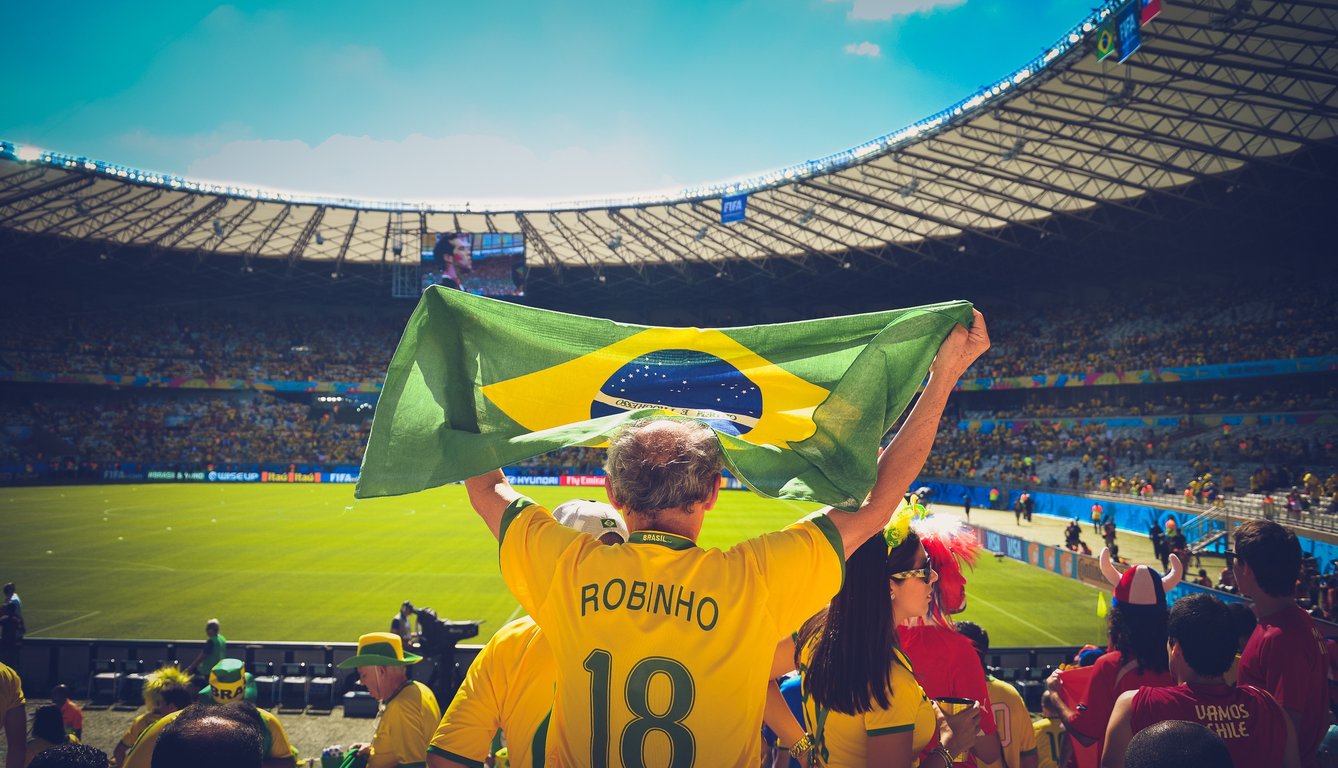
Pricing Is About More Than Face Value
Conversations about MLS final tickets often focus narrowly on whether prices are high or low. That misses the more useful question: what does a ticket deliver relative to its total cost and the buyer’s priorities?
A lower-priced seat may be preferable if it preserves room in the budget for travel, food, merchandise, or another match. A more expensive seat may be worthwhile for a fan with mobility needs, a desire for a particular view, or a once-in-a-lifetime trip. There is no universal right price.
What should be rejected is the idea that fans must spend whatever the market demands to prove their loyalty. Support is not measured by the size of a last-minute payment. A supporter who watches with family, joins a local viewing event, or follows the match from home is no less connected to the club because they refused an unreasonable deal.
Buyers should compare complete offers rather than headline prices. Check the seat location, whether the listing is for the correct event, the number of tickets available together, all fees, delivery timing, and the platform’s stated protections. If purchasing from a secondary marketplace, use established services with clear policies rather than informal transactions with strangers. A small apparent saving is rarely worth the possibility of being denied entry.
A Practical Plan for Securing MLS Final Tickets
A smart approach starts before the final is set. First, identify the official information sources for the club, league, venue, and authorized ticket provider. Second, decide what kind of matchday experience you want: supporters’ section, family-friendly area, premium seating, accessible location, or simply the most affordable legitimate seat. Third, establish a firm all-in budget, including travel if applicable.
Next, prepare your ticketing account in advance. Confirm that account details are current, payment information is usable, and mobile access works. This is mundane preparation, but it can matter when inventory moves quickly. If multiple people are traveling together, agree on the budget, seating preferences, and who is authorized to complete the purchase before a sales window opens. Group indecision is one of the easiest ways to lose suitable tickets.
If official inventory is unavailable, reassess rather than panic. Monitor authorized resale options, but do so with a price ceiling and a clear understanding of what compromises are acceptable. Perhaps a different section is fine. Perhaps attending a watch party is preferable to overspending. Perhaps the better decision is to save for future matches. Good ticket strategy is not only about getting in at any cost; it is about making a choice that remains sensible after the emotion of the moment passes.
The Final Is a Celebration, Not a Test of Financial Endurance
MLS final tickets carry unusual meaning because they offer access to a match that may be remembered for years. That significance explains the early demand, the shrinking availability, and the intensity of the resale market. It also explains why fans should be skeptical of casual advice built for ordinary fixtures. Waiting can sometimes produce an opportunity, but it can just as easily leave buyers with inferior choices, inflated costs, and avoidable risk.
The most effective response is preparation. Follow official information, understand priority systems, set a complete budget, choose the desired experience before inventory appears, and protect yourself when resale becomes necessary. Fans cannot control which teams reach the final or how much demand a particular matchup generates. They can control whether they enter the process informed, organized, and willing to walk away from a bad deal.
That is the real lesson of MLS final tickets: the best chance of a memorable matchday begins well before kickoff. It begins when supporters stop treating a final as a last-minute purchase and start treating it as the high-demand championship event it is.